Most vendors talk about “flexible pricing” and “simple plans,” but contact center leaders rarely see a clear grid of seat, minute and AI costs that can be compared across providers. Discounts, regional tariffs and hidden fees make it hard to know if you are paying market rate or quietly overspending for years. This guide pulls those moving parts into one place so you can walk into negotiations with realistic price bands, not guesswork.
Use this price list as a working sheet next to your own usage data, then compare it with deep dives like Call Center Software Pricing in 2026, the Contact Center Cost Calculator and long term analyses like Cloud vs On-Prem Call Center Cost TCO (2026). Together, they give you a structured way to model three year spend before you sign anything.
1. How Call Center Pricing Really Works in 2026
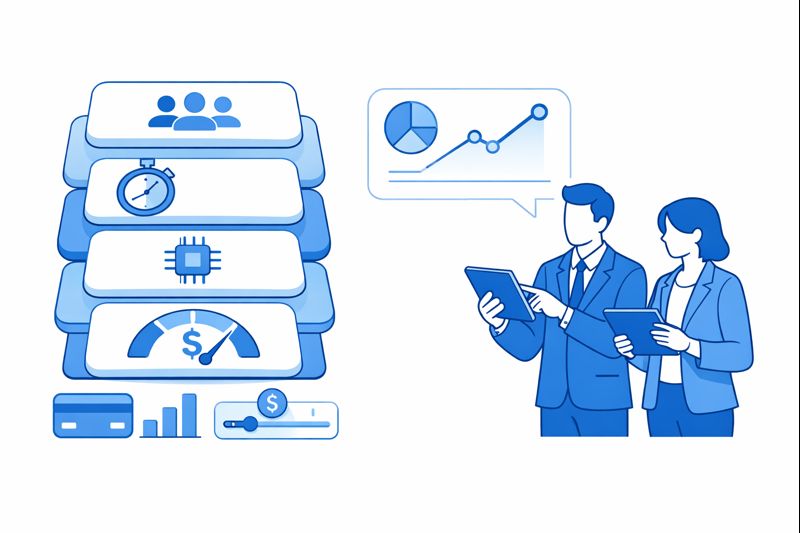
Under the marketing names, almost every modern platform charges in three layers: a recurring seat license, a voice usage fee for minutes and a set of AI and analytics modules. Some vendors shift more weight into usage, others into licenses, but the economics remain the same. Until you normalise quotes into those three buckets, you cannot compare a Five9 or NICE style bundle with usage led platforms based on Amazon Connect or Twilio.
For most mid market teams, realistic all in seat bands land between $80 and $160 per named user before AI. Below that, you tend to lose depth in routing, compliance or reporting. Above that, you should see serious value in workforce management, speech analytics and automation. Vertical stacks for banking, healthcare or GCC markets often sit twenty to forty percent higher, which matches what you see when you compare banking and fintech contact center platforms or HIPAA aware healthcare contact centers.
The missing step in most buying journeys is a price normalisation pass that happens before vendor demos. Build the habit of converting any plan into seat, minute and AI numbers, then match those to your own call volume and concurrency data. You will quickly see why you also need tools like the Contact Center Cost Calculator and migration guides such as PBX Migration Blueprint (2025–2026) and Legacy Phone System CIO Survival Guide when you plan multi year transitions.
2. 50 Call Center Software Price List 2026 (Seat, Minute and AI Fees)
The table below brings together realistic price bands for more than forty vendors and deployment patterns. These are not official quotes. They are working ranges based on public plans, common RFP outcomes and street pricing. Use them to sanity check any proposal, especially when you see numbers that feel too good to be true or strangely high for your size.
| # | Platform / Variant | Primary Fit | License Style | Seat Band (USD / month) | Voice Usage (USD / min) | AI / Analytics Add Ons | Practical Notes |
|---|---|---|---|---|---|---|---|
| 1 | Five9 Enterprise | Mid market and enterprise | Named | $120–$190 | $0.015–$0.035 | $30–$70 / seat | Strong outbound and WFM. AI suite separate and often discounted in bundles. |
| 2 | NICE CXone | Enterprise CX | Named / concurrent | $130–$210 | $0.014–$0.032 | $35–$80 / seat | Deep analytics and QA. Often higher minimum commitments. |
| 3 | Talkdesk CX Cloud | Mid market voice and digital | Named | $100–$170 | $0.013–$0.030 | $25–$60 / seat | Balanced for omnichannel. Good fit for BPO and e commerce stacks. |
| 4 | Genesys Cloud CX | Mid market and enterprise | Named / concurrent | $110–$190 | $0.014–$0.033 | $30–$65 / seat | Mature routing and analytics. Multiple editions, watch plan creep. |
| 5 | Amazon Connect | All sizes, usage heavy | Usage based | N/A (per minute and request) | $0.018–$0.040 | $0.015–$0.060 / min | No base seat fee. Excellent for variable workloads if you model minutes correctly. |
| 6 | Aircall Contact Center | SMB sales and support | Named | $40–$90 | $0.015–$0.035 | $20–$40 / seat | Easy to roll out. Great with CRM CTI but limited deep compliance features. |
| 7 | RingCentral Contact Center | SMB and mid market | Named | $70–$140 | $0.014–$0.032 | $25–$50 / seat | Often bundled with UC. Read contract terms around term and escalation. |
| 8 | 8×8 Contact Center | SMB and mid market | Named | $60–$130 | $0.013–$0.030 | $20–$45 / seat | Strong international coverage. Check detail on recording storage. |
| 9 | Zendesk Suite + Talk | Ticket centric CX | Named | $55–$130 | $0.016–$0.038 | $20–$40 / seat | Ideal when tickets drive the workflow. Voice is one layer in the stack. |
| 10 | Freshdesk Contact Center | SMB inbound | Named | $35–$80 | $0.015–$0.036 | $15–$30 / seat | Good starter choice when moving away from basic PBX or manual routing. |
| 11 | Genesys Engage (legacy) | Large enterprise | Named / concurrent | $150–$260 | $0.013–$0.030 | $40–$80 / seat | High capability. Costly to maintain compared with modern cloud stacks. |
| 12 | NICE CXone Mid Market Edition | Mid market | Named | $90–$140 | $0.015–$0.032 | $25–$45 / seat | Balanced bundle for teams that want NICE quality without full enterprise price. |
| 13 | Five9 Digital + Voice Bundle | Mid market omnichannel | Named | $110–$160 | $0.015–$0.034 | $30–$55 / seat | Good middle ground before stepping into enterprise only editions. |
| 14 | Talkdesk BPO / Outbound | BPO with outbound focus | Named | $120–$170 | $0.013–$0.029 | $35–$60 / seat | Dialer heavy. Works well with playbooks from predictive dialing strategy work. |
| 15 | CloudTalk | SMB outbound and support | Named | $30–$70 | $0.016–$0.040 | $15–$25 / seat | Lightweight stack for sales teams that need fast setup and simple analytics. |
| 16 | Dialpad Contact Center | SMB and mid market | Named | $50–$110 | $0.015–$0.034 | $20–$40 / seat | Native AI summaries and call notes. Good for teams scaling from simple VOIP. |
| 17 | Twilio Flex | Developer led builds | Usage / per hour | ~$1 per active hour or ~$150 seat equivalent | $0.013–$0.030 | Per minute AI | Very flexible. Only suits teams with engineering capacity and clear use cases. |
| 18 | Vonage Contact Center | Salesforce heavy teams | Named | $60–$130 | $0.014–$0.032 | $20–$40 / seat | Carrier strength plus CTI depth. Check contract renewal terms carefully. |
| 19 | UJET | Mobile first CX | Named | $90–$160 | $0.014–$0.030 | $30–$55 / seat | Best when app based flows matter more than legacy IVR complexity. |
| 20 | Avaya Experience Platform (Cloud) | Enterprise modernisation | Named / concurrent | $120–$210 | $0.013–$0.030 | $35–$70 / seat | Common path for large PBX and ACD migrations. Align with ACD modernisation plans. |
| 21 | Cisco Webex Contact Center | Enterprise, Cisco UC estates | Named / concurrent | $110–$200 | $0.013–$0.031 | $30–$65 / seat | Plays well where Cisco is already standard. Watch complexity of hybrid builds. |
| 22 | Alvaria (Aspect) Cloud | Enterprise BPO and outbound | Concurrent | $130–$220 | $0.013–$0.030 | $30–$60 / seat | Outbound heritage. Long contracts are the norm, negotiate exit terms. |
| 23 | VCC Live | EU SMB and BPO | Named | $40–$90 | $0.012–$0.028 | $15–$30 / seat | Competitive European tariffs. Good dialer and campaign control. |
| 24 | APAC Regional CCaaS | APAC centric SMB | Named | $30–$80 | $0.010–$0.025 | $10–$25 / seat | Excellent local rates. Validate quality for international routes. |
| 25 | Genesys Digital Only | Digital first CX | Named | $70–$120 | N/A | $25–$45 / seat | Suited when chat and messaging dominate. Voice can be layered later. |
| 26 | Intercom + Voice Add On | Product led SaaS | Named | $90–$150 | $0.018–$0.040 | $20–$40 / seat | Very strong in app. Call center features work best for smaller teams. |
| 27 | Zoho Contact Center | SMB all in one | Named | $30–$70 | $0.015–$0.036 | $10–$25 / seat | Makes sense when you already run other Zoho products in house. |
| 28 | Talkdesk Financial Services Edition | Banks and fintechs | Named | $130–$210 | $0.014–$0.032 | $40–$80 / seat | Designed for KYC, fraud and risk flows that appear in high risk workflows. |
| 29 | NICE CXone Healthcare Edition | Hospitals and clinics | Named | $130–$220 | $0.014–$0.032 | $40–$80 / seat | BAAs, PHI handling and scheduling capabilities drive cost but also risk reduction. |
| 30 | Five9 BPO Edition | Outsourcers 200+ seats | Concurrent | $110–$180 | $0.012–$0.028 | $30–$60 / seat | Volume based pricing. Process design matters more than saving a cent per minute. |
| 31 | Talkdesk Retail / E commerce | Retail and logistics CX | Named | $110–$180 | $0.014–$0.032 | $30–$55 / seat | Pre built WISMO and returns journeys. Align with e commerce contact center patterns. |
| 32 | RingCentral High Volume Outbound | Sales and collections | Named | $90–$150 | $0.013–$030 | $25–$50 / seat | Works when campaigns need voice and SMS together with dialers. |
| 33 | 8×8 X Series with CC | UC + CC in one | Named | $80–$140 | $0.013–$0.030 | $20–$40 / seat | Attractive when IT wants a single vendor for meetings, phones and CC. |
| 34 | GCC Regional CCaaS (Arabic IVR) | GCC SMB and enterprise | Named | $70–$140 | $0.018–$0.045 | $25–$50 / seat | Arabic IVR and local hosting. Match with cloud PBX in UAE style architectures. |
| 35 | India Focused CCaaS | India domestic calling | Named | $25–$60 | $0.008–$0.020 | $10–$20 / seat | Low domestic tariffs. International minutes make or break total cost. |
| 36 | AI First Contact Center (Startup) | SMB and mid market | Usage based | $20–$50 equivalent | $0.020–$0.050 | Included in minute rate | Large proportion of interactions automated. Check failure and fallback paths. |
| 37 | On Prem Legacy ACD (Support Only) | Existing enterprise estates | Concurrent | $70–$130 (support) | $0.012–$0.028 | Limited or no AI | Capex already sunk. Operating cost increases each year as skills become scarce. |
| 38 | Hybrid UC + CC Suite | Mid market mixed needs | Named | $80–$150 | $0.014–$0.032 | $25–$45 / seat | Good bridge while you move away from old PBX and fax era infrastructure. |
| 39 | Vertical Healthcare CCaaS | Specialist clinics | Named | $120–$200 | $0.015–$0.034 | $35–$70 / seat | Scheduling, payment and clinical workflows pre tuned for patient calls. |
| 40 | Vertical Banking CCaaS | Banks and credit unions | Named | $130–$220 | $0.014–$0.032 | $40–$80 / seat | KYC, card, fraud and collections journeys built in. Higher audit expectations. |
| 41 | Vertical E commerce CCaaS | Retail, marketplace and DTC | Named | $80–$150 | $0.015–$0.034 | $25–$55 / seat | Optimised for WISMO, returns and peak season volume spikes. |
| 42 | Offshore BPO CCaaS | Global BPO operations | Concurrent | $70–$130 | $0.010–$025 | $20–$45 / seat | Seat density and shift planning matter more than small license differences. |
| 43 | Entry Level Cloud CC | Sub 25 seat teams | Named | $25–$50 | $0.016–$0.040 | $10–$20 / seat | Right first step away from PBX for small service groups and founders. |
| 44 | Digital Only CC (Chat and Messaging) | Digital heavy CX | Named | $40–$90 | N/A | $15–$30 / seat | Makes sense when voice is the exception. Add SIP later if needed. |
| 45 | AI QA and Analytics Overlay | Teams with existing CC | Seat / minute | $15–$40 / seat | $0.010–$0.030 | N/A | Compares well with platforms covered in AI QA 100 percent coverage playbooks. |
| 46 | Self Hosted Open Source CC | Engineering led orgs | Concurrent | $10–$40 (support) | $0.010–$0.020 | Custom AI | Low license cost, high internal people cost. Governance is on you. |
| 47 | UC Provider with CC Add On | SMB and mid market | Named | $50–$100 | $0.014–$0.032 | $15–$30 / seat | Works for simple queues. Less ideal for complex multi region routing. |
| 48 | Branch or Storefront CC Lite | Retail branches and stores | Named | $30–$70 | $0.013–$0.030 | $10–$20 / seat | Simple reporting. Focus on availability rather than deep AI layers. |
| 49 | Premium AI First Enterprise CC | Global 500 organisations | Named / concurrent | $160–$260 | $0.015–$0.036 | $50–$100 / seat | High automation and coverage. Only justifiable when volumes and risk match. |
| 50 | Regional Hosted CC with Local Carriers | Regional mid market | Named | $60–$120 | $0.012–$0.028 | $15–$35 / seat | Good where global CCaaS has latency or regulatory constraints. |
| 51 | Sales Only Power Dialer CC | Sales development teams | Named | $40–$90 | $0.015–$0.034 | $15–$30 / seat | Focus on speed to lead. Pair with ideas from AI powered sales acceleration. |
| 52 | Support Focused Mini CC for SaaS | Small SaaS CX teams | Named | $35–$80 | $0.016–$0.038 | $10–$25 / seat | Right when most work is chat and email and voice is escalation only. |
3. How to Benchmark Your Own Contact Center Against This Price List
The simplest way to benchmark is to convert every proposal into one formula: total cost equals seats plus minutes plus AI plus compliance plus services. That removes marketing names and aligns everything with how your finance team actually sees spend. Pull twelve months of call detail records to understand talk time, toll free mix and international routes, then plug those into the ranges above and into the Contact Center Cost Calculator.
Once you have this normalised view, you can compare concrete scenarios. For example, steady 200 seat care operations often win with bundled license models. Highly seasonal teams that look like e commerce and retail peak seasons usually benefit from usage heavy offers where idle periods do not waste licenses. The point is to compare cost curves over three years, not just monthly lists.
| Segment | Seat Range | Typical Seat Band | Best Pricing Shape | Where AI Pays Off First |
|---|---|---|---|---|
| Small business service desk | 5–25 agents | $25–$70 per seat | Simple named bundles with inclusive minutes | Agent assist and call summaries that reduce wrap time and manual notes. |
| Growing mid market care and sales | 25–200 agents | $80–$160 per seat | Named seats with predictable usage tiers | AI QA and coaching that feed programs described in QA scorecard templates. |
| BPO and outbound heavy centres | 200–1,000+ agents | $70–$140 per seat | Concurrent seats with aggressive minute discounts | Predictive dialers and pacing, supported by the strategies in dialer comparison guides. |
| Regulated healthcare and banking | 50–500 agents | $120–$220 per seat | Enterprise bundles with compliance and storage structured in | Speech analytics and call recording compliance frameworks like call recording compliance 2026. |
4. Negotiation and Rollout Tactics That Actually Lower TCO
The biggest savings rarely come from a few dollars off the list price. They come from how you structure migration, concurrency and AI adoption. Plan phased migrations that align with your PBX Migration Blueprint and CIO Survival Guide, then negotiate free months or credits tied to each cutover. Vendors are far more willing to fund a timeline that gets their logo into production more quickly.
On AI, resist the urge to activate every module on day one. Start with clear, testable pieces like agent assist, voicebots and AI QA for a small group of queues. Define what success means in advance: faster handling, higher first contact resolution, better QA coverage. If the numbers move, expand with multi year discounts. If not, you cut AI cost before it quietly becomes the most expensive line on the invoice.
Finally, treat storage, compliance and support as negotiable, not fixed. Many teams only discover expensive storage charges when recordings grow over years or when they add PCI and HIPAA safe environments. Use Hidden Fees in Call Center Software (2026) as a checklist before signature, then ask vendors to show a mock invoice for a typical month. That invoice tells you more than any slide deck.
5. 90 Day Roadmap to Fix Call Center Pricing Without Breaking Operations
Days 1 to 30: Map costs and usage. Collect invoices, carrier bills and CCaaS statements from the last twelve months. Normalise everything into seats, minutes, AI and services. Pull call detail data to understand patterns by region, queue and channel. Compare what you spend with the bands in this price list and with benchmarks from Call Center Software Pricing 2026.
Days 31 to 60: Design alternative scenarios. Model at least three futures: stay with the current vendor, move to a new cloud stack and run a hybrid model while you retire on prem. For each scenario, include migration steps and risks covered in Top 25 Migration Mistakes. Calculate three year TCO under conservative, expected and aggressive usage assumptions.
Days 61 to 90: Negotiate and lock structure. Take your preferred scenarios to vendors. Share only the shape of your usage and must have requirements, not your current prices. Push for pricing that fits the realistic bands here, with clear terms on renewals, AI modules and storage. Tie commercial milestones to operational success: downtime caps, NPS or CSAT improvements and routing or QA capabilities described in guides like AI Call Center Tools That Cut Labor Costs.